For the first time since his departure from Chelsea, Enzo Maresca has spoken out. The Italian manager is above all grateful for the period he spent working at The Blues.
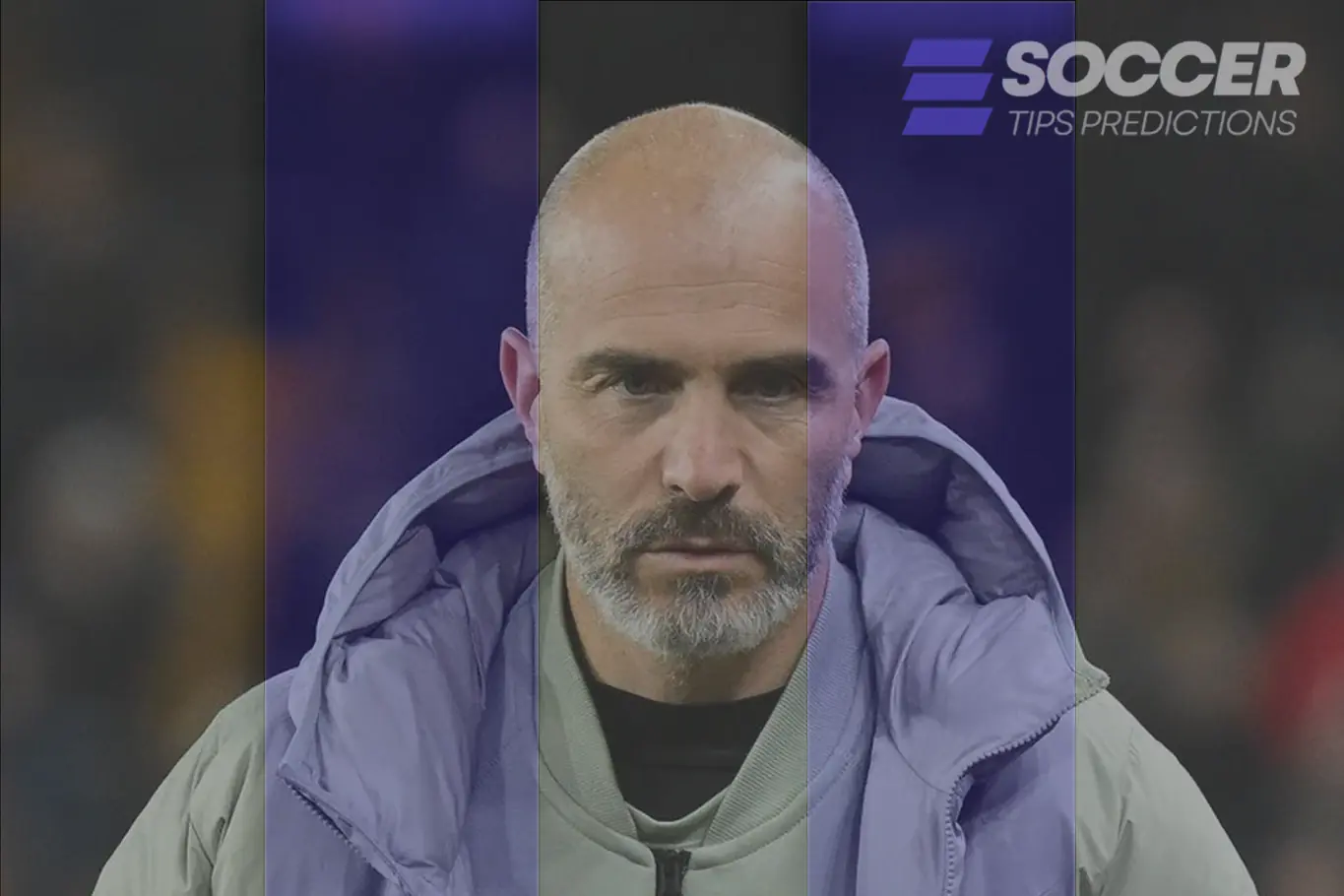
Enzo Maresca has broken his silence for the first time since leaving Chelsea, publishing a farewell message that framed his 18-month spell at Stamford Bridge as a period of recovery, trophies, and a return to the level he believes the club should always occupy.
He opened with a reflective line, writing: “Leave the world in a better state than you found it.” The Italian coach used that phrase to define his view of the journey Chelsea made during his time in charge, comparing the club’s position before he arrived with where it stood at the moment of his departure on New Year’s Day.
Maresca’s central point was that he feels he delivered clear, measurable progress. Chelsea had finished 6th in the 2023/24 season before he took over. Under his leadership, he says, the club added major silverware and improved its league standing, culminating in a 4th-place Premier League finish that ensured Champions League football. In his message, Maresca specifically referenced winning the Conference League and the Club World Cup, presenting those trophies as proof that the team had regained a winning edge while also rebuilding credibility on the domestic stage.
The tone of his statement was notably controlled and conciliatory. Instead of addressing the reasons behind the split, he focused on gratitude and personal pride, writing that he leaves with “inner peace” because he believes he is departing a “prestigious club like Chelsea” in the condition it should be. He then underlined that the successes achieved will stay with him, and he offered good wishes to everyone connected to the club for the second half of the season and the future. He also included thanks on behalf of himself and his family, a detail that often signals a manager’s intent to close the chapter without escalating tensions publicly.
That approach is significant because his exit was sudden and, to many observers, surprising given the honours and the Champions League position he described. When a club changes coach mid-season even after tangible achievements, it typically indicates that the decision was driven by more than a simple win-loss equation. In elite football, departures like this often come down to alignment: the board’s belief in the direction, the dressing room temperature, the internal relationship between head coach and sporting leadership, and the club’s appetite for risk at a specific moment in the campaign.
Even so, form always plays a role in how quickly decisions are taken. When results dip, every disagreement becomes louder and every perceived weakness becomes harder to tolerate. Pressure intensifies, narratives harden, and the margin for managing conflict behind the scenes shrinks. A short run of disappointing league performances can change the internal atmosphere dramatically, especially at clubs where expectations are immediate and constant.
Maresca’s message can also be read as an attempt to define his legacy before others define it for him. By focusing on trophies won and on a league finish that restored Champions League football, he is anchoring his tenure to outcomes that are difficult to dismiss. He is effectively saying: judge the work by what was delivered, not by the noise around the ending.
The context around his next move has added another layer to the story. Reports in England suggest Maresca may not be out of work for long, and that the break with Chelsea may have been influenced by discussions involving Manchester City and a possible succession plan for Pep Guardiola. Whether those talks were exploratory, precautionary planning, or something more advanced, the mere existence of such conversations would be sensitive at a club like Chelsea, particularly during a period of scrutiny. Even the perception that a coach is looking elsewhere can become destabilising, both internally and externally.
Maresca’s connection to Manchester City is real and relevant. He worked there as an assistant in the 2022/23 season, a year that is widely viewed as formative for coaches who later take head-coach roles. That experience also means he understands the standards, the training methodology, and the tactical language at City, and he has direct familiarity with Guardiola’s demands. If City were ever to look for continuity of ideas after Guardiola, Maresca would fit the profile of a candidate who could preserve core principles while still bringing his own leadership stamp.
For Chelsea, the move to replace him was handled quickly, signalling a desire to avoid a prolonged period of uncertainty. Rapid appointments are rarely about patience. They are about control: controlling the dressing room mood, controlling short-term performance targets, and controlling the public narrative. The faster a club names a successor, the faster it can shift attention from the departure to the future.
In the end, Maresca has chosen to speak in the language of closure rather than conflict. He is not arguing in public, not pointing fingers, and not offering behind-the-scenes details. Instead, he is presenting a simple case: he arrived when Chelsea needed to re-establish themselves, he believes he helped them do it, and he is leaving with pride in what was achieved. The next weeks will determine how that story settles in public memory, but Maresca has made it clear how he wants his Chelsea chapter to be remembered: as progress, silverware, and a club restored to the Champions League stage.